What Makes Great Software - It's Not Just Good Code
Code Is Only the Beginning
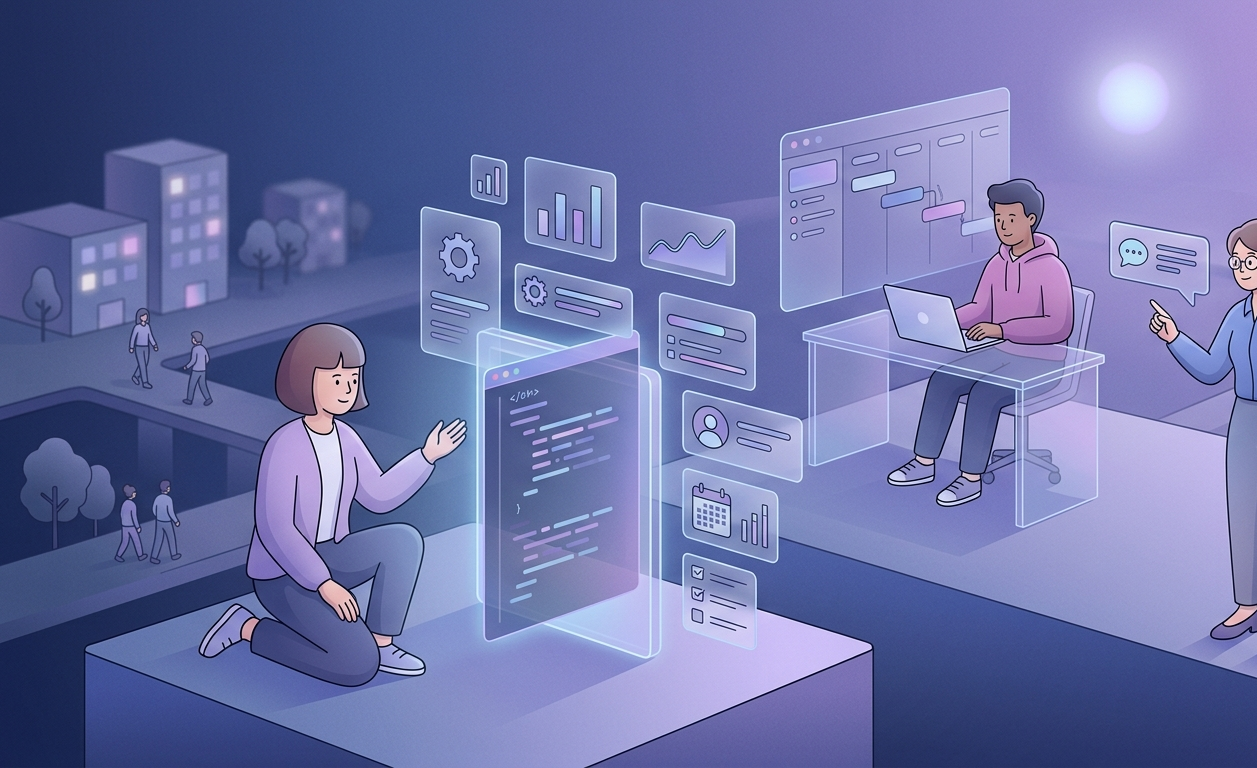
When people think about software development, they often focus on the most visible part of the process: writing code. They think about programming languages, frameworks, and technical solutions. While these elements are essential, they represent only one layer of what makes software successful.
A software product can have clean architecture and well-written code while still failing to create value. Users may struggle to understand it, businesses may find it difficult to scale, and future developers may face challenges maintaining it. The quality of software is not determined only by what happens inside the codebase, but by how effectively the entire system works together.
Great software is not simply software that functions. It is software that solves a meaningful problem, provides a reliable experience, and continues to improve as requirements change.
Great Software Starts With Solving the Right Problem
Before development begins, successful software starts with understanding. Many projects fail because teams rush toward implementation without spending enough time defining the problem they are trying to solve.
A company may request a specific feature, but the real challenge may be hidden deeper within its workflow. Users may ask for more options, while the real issue is that the existing experience is confusing. Without proper discovery, teams risk building solutions that are technically impressive but practically ineffective.
Understanding the problem requires looking beyond features. It requires understanding users, business goals, and the environment where the software will operate. The best software is created when technology is used as a tool to improve real situations, not simply as a demonstration of technical ability.
Usability: Software Built Around People
Software is ultimately created for people, and the user's experience determines whether the product succeeds. Even the most advanced systems can fail if users find them difficult to understand or frustrating to use.
Usability comes from thoughtful design decisions that reduce unnecessary complexity. A well-designed product guides users naturally, allowing them to complete tasks efficiently without requiring constant explanation or training.
This is why great software development is not only about engineering. It requires understanding human behavior, user expectations, and how people interact with technology in their daily lives.
Maintainability: Building Software That Can Evolve
One of the biggest differences between average software and great software appears after the initial launch. Many teams focus heavily on getting the first version released, but they underestimate what happens when the product needs to change.
Software is never truly finished. Businesses evolve, users request new features, and market conditions shift. A system that was built only for the present can quickly become a limitation when future improvements become necessary.
Maintainability is the ability of software to be understood, modified, and improved without creating unnecessary risks. It depends on decisions made throughout development, including how the architecture is structured, how the code is organized, and how clearly the system is documented.
When maintainability is ignored, software gradually becomes harder to work with. Small changes take longer than expected, developers spend more time fixing existing issues, and innovation slows down because the system becomes fragile.
Great software is designed with the future in mind. It is not only built for the team creating it today, but also for every developer and organization that will depend on it later.
Scalability: Designing for Growth
A software product is often tested by its own success. A system that performs well when it has a small number of users may struggle when adoption increases and the demands placed on it become much greater.
Scalability is what allows software to grow without losing performance or reliability. It involves making architectural decisions that support increasing users, larger amounts of data, and more complex business requirements.
However, scalability is not about building the largest possible system from the beginning. Overengineering can create unnecessary complexity and increase costs. Instead, good engineering focuses on creating a strong foundation that can expand when the business requires it.
A scalable system allows companies to grow confidently because their technology can support new opportunities rather than becoming an obstacle.
The difference between software that survives growth and software that breaks under pressure often comes down to the decisions made early in development.
Performance: Respecting the User's Time
Users rarely think about software performance when everything works smoothly. They simply complete their tasks and continue with their day.
However, even small performance issues can quickly affect the user experience. Slow loading times, delayed responses, and inefficient workflows create frustration and reduce confidence in the product.
Performance is not only about making software faster. It is about creating an experience where technology feels responsive and reliable. Users should be able to focus on their goals instead of waiting for the system to catch up.
Achieving strong performance requires careful engineering decisions, from efficient code and optimized databases to thoughtful system architecture.
Great software respects the user's time because every interaction contributes to how people perceive the product.
Reliability: Creating Software People Can Trust
Reliability is one of the most important qualities of successful software because trust is built through consistency.
When users depend on an application for their work, they expect it to behave predictably. They expect their information to be safe, their tasks to be completed correctly, and the system to remain available when they need it.
Reliability comes from many engineering practices working together. Proper testing, monitoring, error handling, security considerations, and thoughtful architecture all contribute to creating stable software.
The strongest software products are often invisible in the best possible way. Users do not think about the complexity behind them because everything works as expected.
That level of trust does not happen by accident. It is created through careful planning and disciplined engineering.
Security: Protecting the Product and Its Users
Modern software is responsible for handling increasingly important information. Applications manage customer data, business operations, financial information, and internal processes.
Because of this, security is no longer an optional feature added at the end of development. It is a fundamental part of building quality software.
Secure software is designed with protection in mind from the beginning. This includes considering how data is stored, how users access information, and how potential risks are identified and managed.
A security issue can affect more than the software itself. It can damage customer trust, interrupt business operations, and create long-term consequences for the organization.
Great software does not only provide functionality. It creates a safe environment where users and businesses can confidently depend on it.
The Balance Between Simplicity and Technical Excellence
One of the greatest challenges in software development is managing complexity.
As products grow, teams naturally add more features, integrations, and capabilities. Without careful planning, software can become difficult to understand and maintain.
Great software does not remove complexity completely. Instead, it manages complexity in the right places.
The best products often provide simple experiences on the surface while relying on sophisticated systems underneath. Users do not need to understand the technical challenges behind the software. They only need a smooth experience that helps them accomplish their goals.
This balance between simplicity and technical strength is what separates mature software products from ordinary ones.
Creating simplicity requires deep understanding. It requires teams to make difficult decisions about what should be included, what should be removed, and how technology should serve the user.
Great Software Requires More Than Developers
Although developers play a central role in software creation, exceptional products are rarely built by technical work alone.
Great software requires collaboration between different disciplines. Product teams define the purpose and business goals. Designers understand user behavior and create meaningful experiences. Engineers transform ideas into reliable systems. Quality teams ensure that the final product meets expectations.
When these perspectives work together, software becomes more than a collection of features. It becomes a complete solution designed around real needs.
This is why successful software development is not simply about choosing the right technology or writing efficient code. It is about combining different areas of expertise to create something valuable.
The strongest teams understand that software is both a technical product and a human experience.
Final Thoughts
Great software is not defined by how complex its code looks or how advanced its technology appears. It is defined by the value it creates.
The best software products are usable, maintainable, scalable, performant, and reliable. They solve meaningful problems while remaining flexible enough to adapt as businesses and users change.
Code will always be an essential part of software development, but it is only the foundation. The true quality of software comes from the decisions surrounding that code, the understanding of users, the design of the system, and the commitment to building something that can last.
Building great software is not about creating something that works once. It is about creating something that continues working, improving, and delivering value for years.
Build Software That Is Designed to Last
Creating successful software requires more than writing code and delivering features. It requires a complete approach that combines strategy, user experience, architecture, engineering, and continuous improvement.
At DevStudio, we help businesses transform ideas into scalable digital products by focusing on the principles that define great software. From understanding the problem and designing the user experience to building reliable systems that can grow with your business, we create solutions designed for long-term success.
Whether you are launching a new product, modernizing an existing platform, or building custom software from the ground up, DevStudio provides the expertise and development process needed to turn ideas into powerful digital solutions.
Build software that is not only functional, but built to grow with DevStudio.